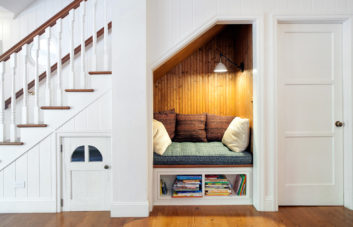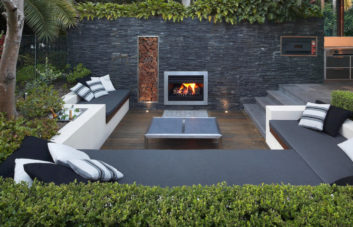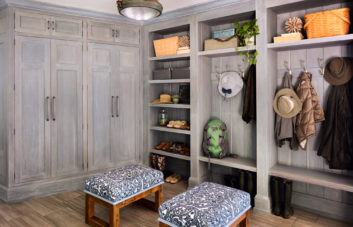

Straight, clean lines: move over! Curves are in, and they’re showing up in every room of the house and every form. A curved feature softens the overall appearance of the home (as opposed to the severity of straight lines), resulting in an inviting, open, and dramatic effect.
Curvy design features can be the perfect solution to an awkward space; when done right, curves can even be a space-saving technique (though it’s counterintuitive). Bonus: if you have small children (or a tendency to bump into things), replacing your corners with curves will definitely cut down on the bruises and bumps. AND curves are a lot easier to clean than sharp corners!
Curves of all sizes and applications will beautify your home and set it apart from the typical linear layout.
That same sense of movement can carry into larger spaces, where the shape of a building influences how people experience it from the moment they enter. Curved architecture also shows how creative ideas can shape the way people experience a space.
Rounded walls, flowing entrances, and unusual structural forms move beyond basic function, giving a building an artistic quality that connects with contemporary design.
Looking at these details from an artistic perspective brings another layer of interest to the relationship between form, movement, and emotion. This connection between design and artistic expression becomes clearer when exploring buildings created around distinctive visual concepts.
Read more about creative approaches to architecture and discover how thoughtful forms influence the character of a space. Contemporary architecture often experiments with shapes, materials, and proportions to create spaces that feel memorable rather than ordinary.
Curved walls, rounded openings, and softer transitions can break up rigid layouts while creating a more distinctive character without sacrificing practical use.
In commercial projects, these choices need to work alongside circulation, lighting, accessibility, and the purpose of each area, which is why commercial architects often have to balance creative forms with the everyday needs of the people using the building.
A thoughtful layout can make an interior feel more spacious and connected, while carefully placed curves can guide movement and give otherwise ordinary areas a stronger visual identity.
The result is a space that feels less predictable, proving that stepping away from straight lines can change not only how a building looks, but also how naturally people move through and experience it.
Here’s three ways to incorporate curvature in your home:
Fixtures
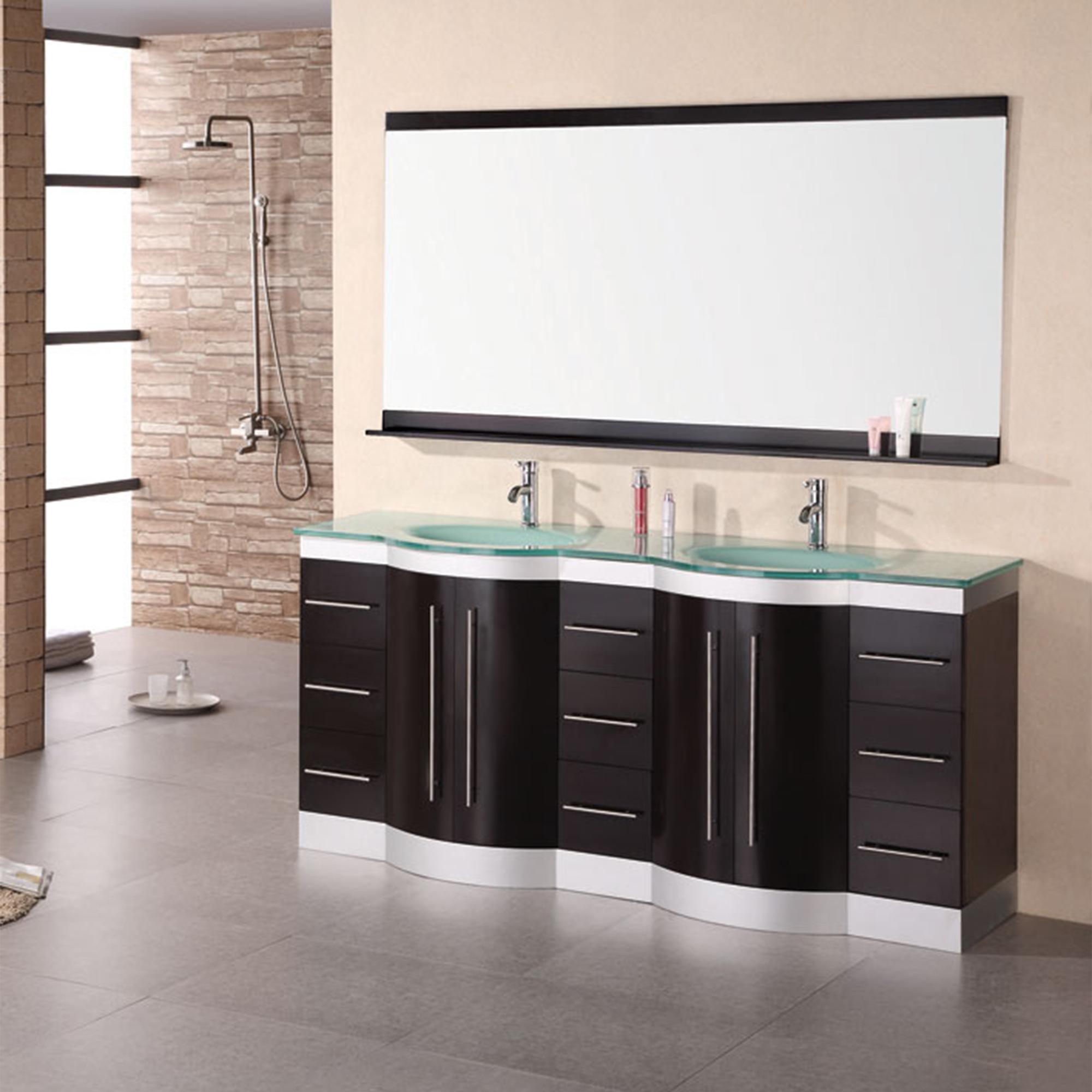
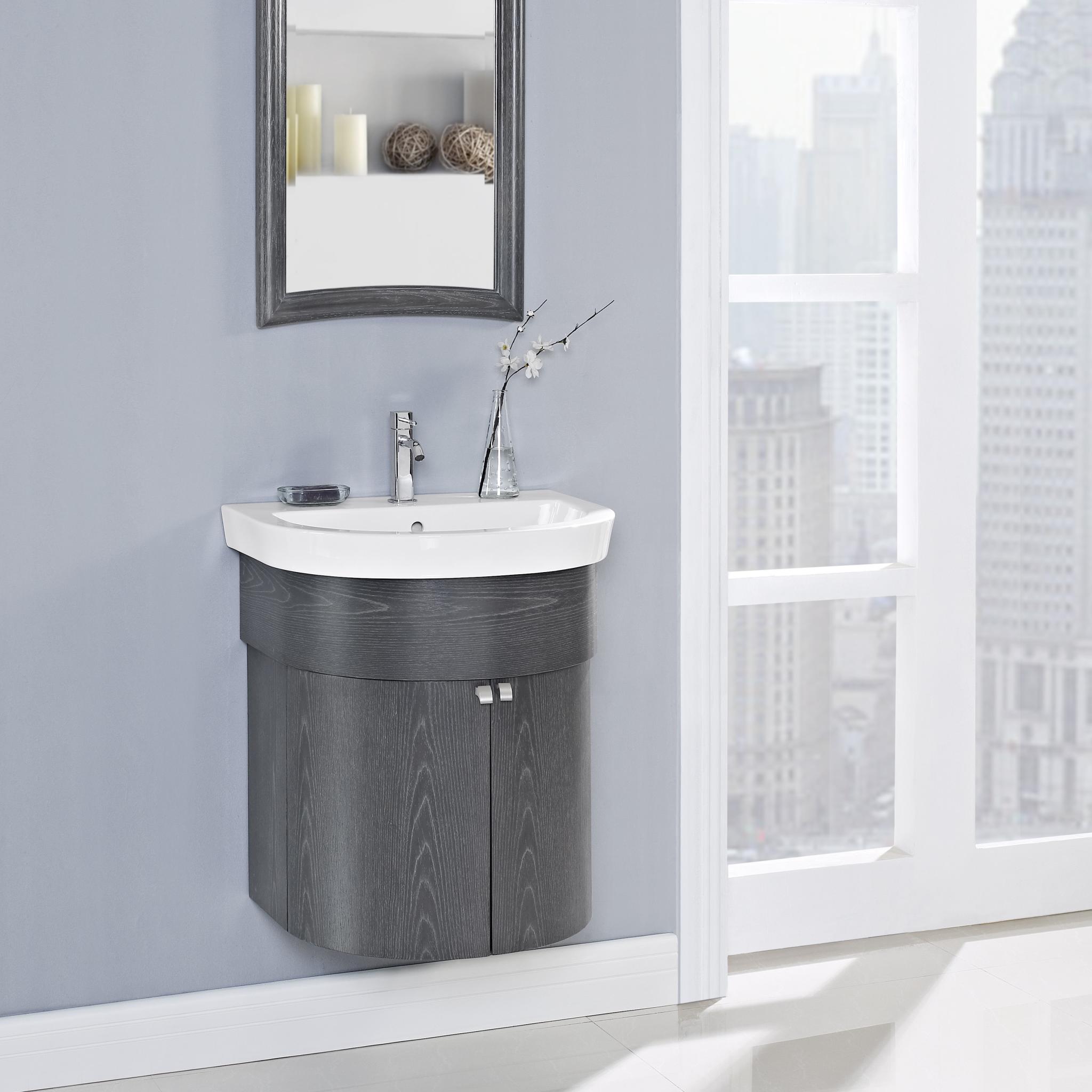
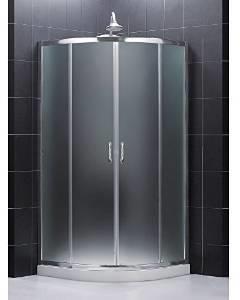
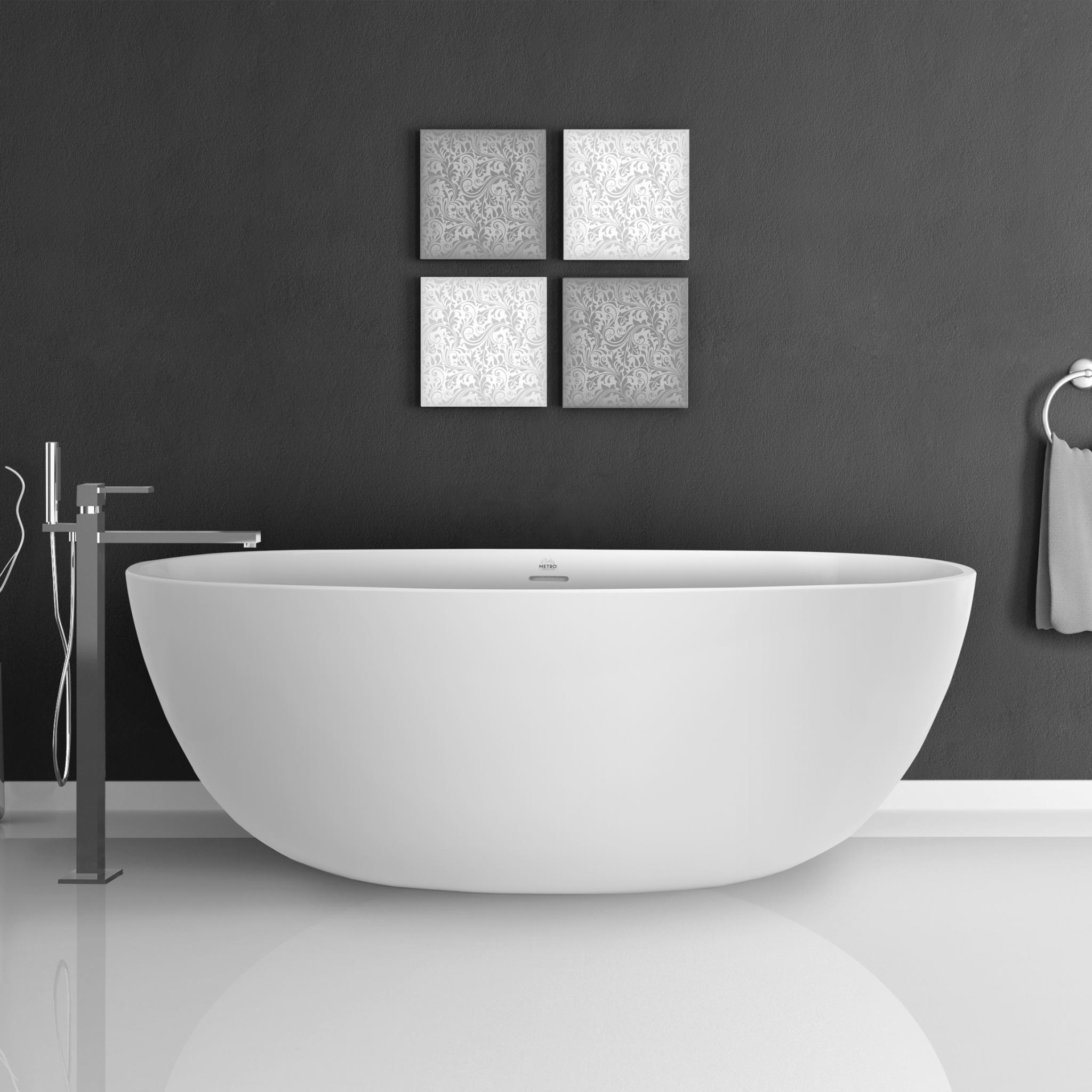
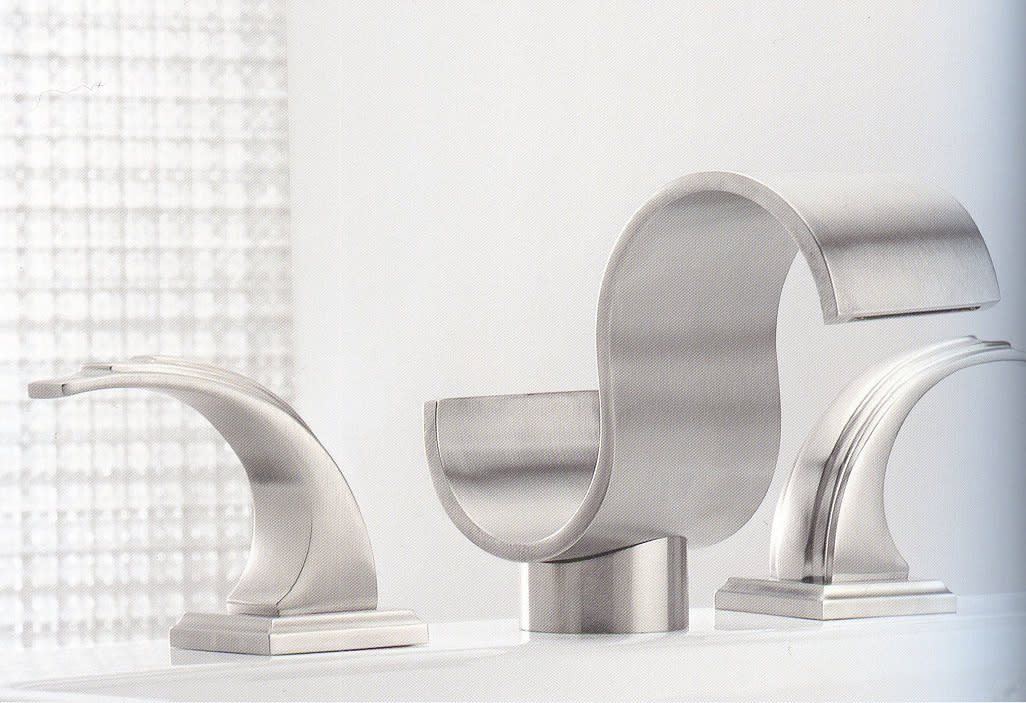
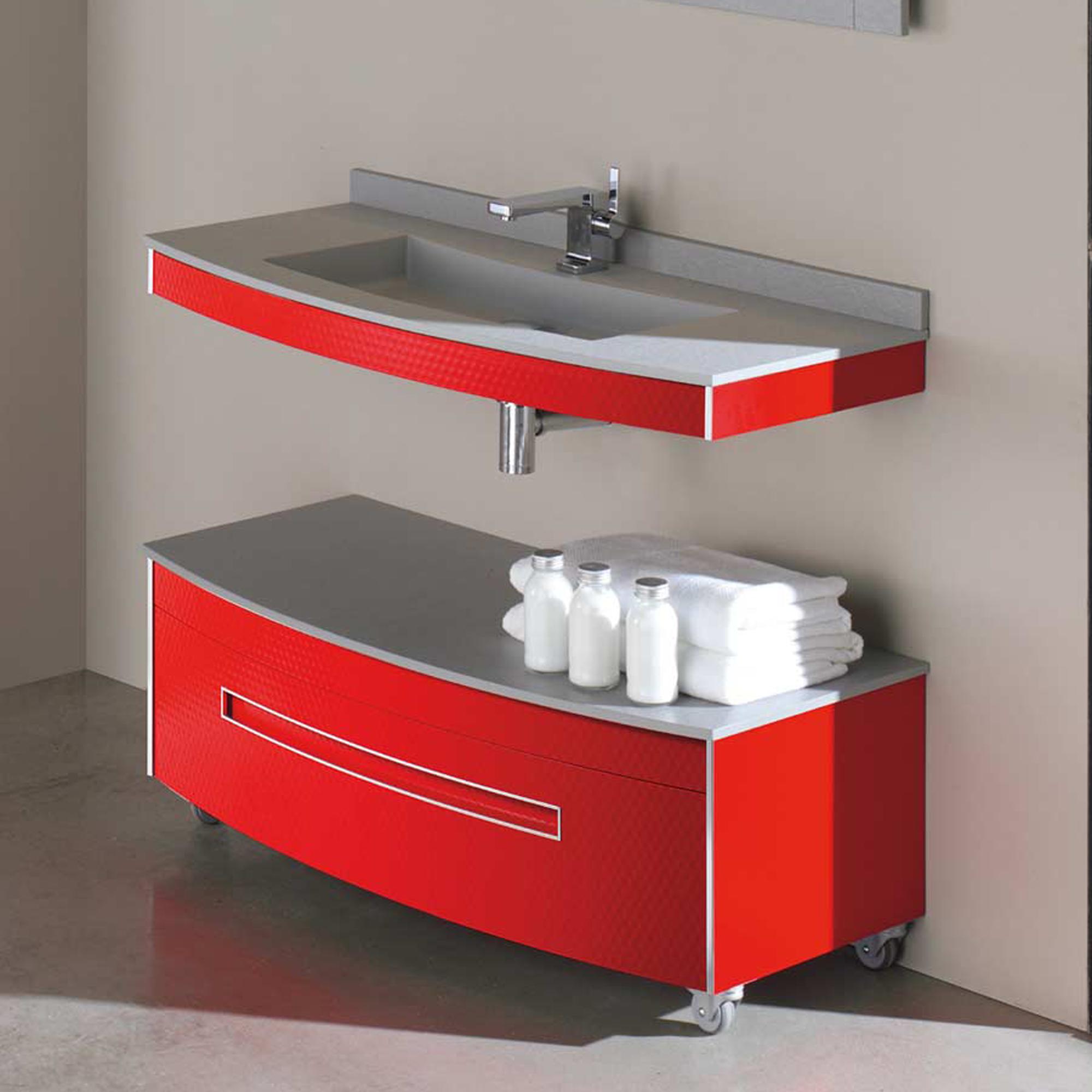
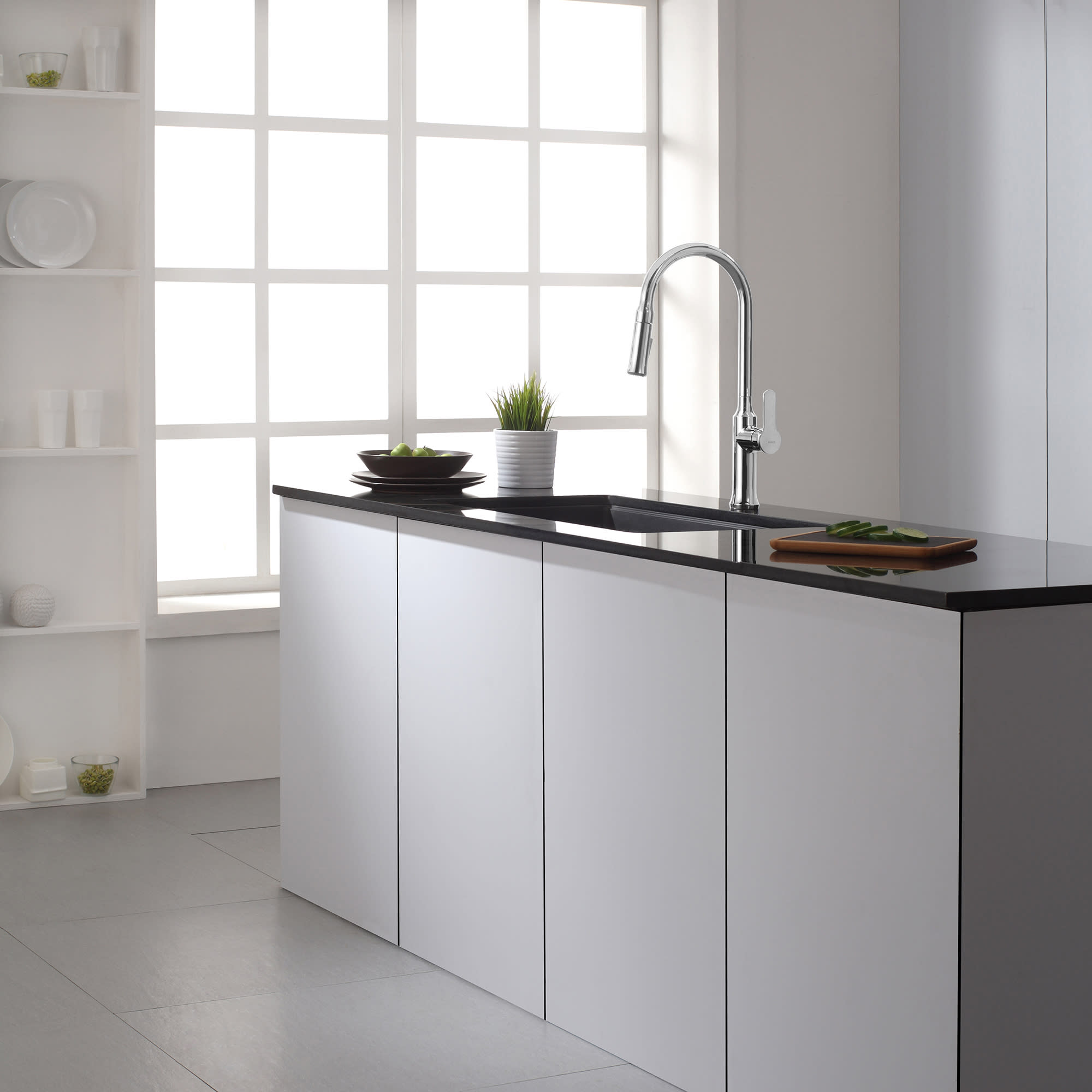
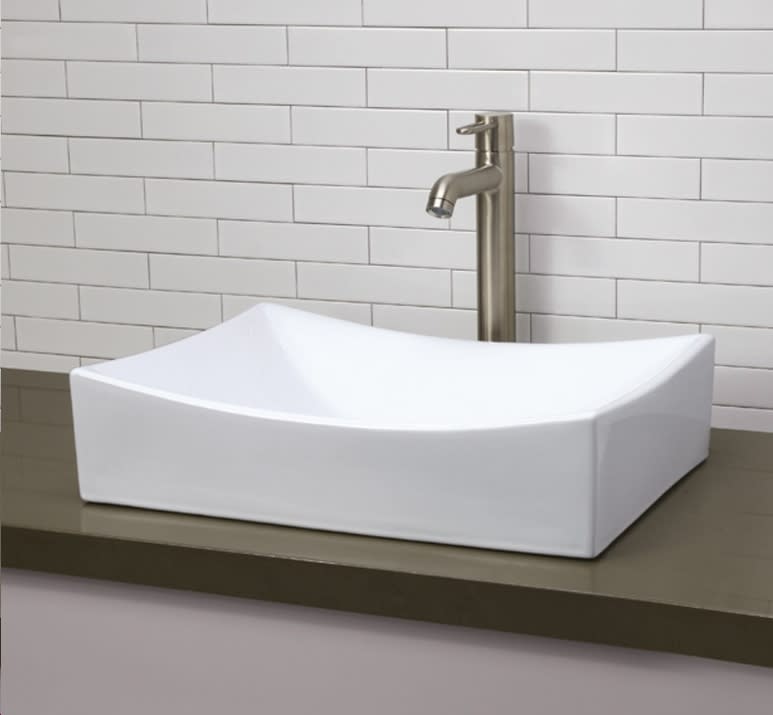
A curved vanity, shower, sink, or tub creates more space in tight spaces and makes a boldly subtle statement; arched faucets in the kitchen and bath are simultaneously sleek, striking, and soft.
Furnishings
Like fixtures, curved furniture has an allure that straight lines simply don’t offer. Rounded seating also has the benefit of being more comfortable and ergonomically correct than linear furnishings. Get creative with curvy tables, kitchen islands, beds, ottomans… the possibilities are endless.


Actual curved flooring is risky, but rounded rugs and flooring patterns and transitions are deliciously different.


Walls, doors, stairs, and ceilings become showpieces when you put a bit of curve on them.


Embrace those curves!